Trend
A Trend refers to the general direction in which the price of an asset is moving over a specific period. It can be upward, downward, or sideways.
Detailed Explanation
In trading, a trend represents the sustained movement of a market or asset price in a specific direction. Identifying trends is a fundamental aspect of technical analysis and is key to building effective trading strategies.
There are three main types of trends:
Uptrend (Bullish Trend):
Characterized by higher highs and higher lows. Prices generally increase over time.Downtrend (Bearish Trend):
Characterized by lower highs and lower lows. Prices generally decrease over time.Sideways Trend (Range-bound):
The price moves within a horizontal range, showing no clear directional bias.
Trends can exist over various time frames, including:
Short-term:
Minutes to daysMedium-term:
Days to weeksLong-term:
Weeks to months or even years
Traders often use tools like trendlines, moving averages, or indicators (e.g., MACD, ADX) to identify and confirm trends. Following the prevailing trend — also known as “trend-following” — helps traders align their strategies with the market’s momentum.
However, trends can reverse or lose strength, so monitoring for trend exhaustion or signs of a reversal is essential.
Significance for Investors
Understanding and identifying trends is crucial for timing entries and exits effectively. By trading in the direction of the prevailing trend, investors can improve the probability of success and reduce the likelihood of premature losses.
Recognizing early trend formations allows for strong risk-to-reward setups. It also helps traders avoid “choppy” or directionless markets, where losses are more frequent.
Many professional trading systems are built around trend analysis. Knowing when to ride a trend or step aside during consolidation is a mark of a disciplined and strategic trader.
Examples
A trader observes that the share price of Company ABC has been making higher highs and higher lows for the past six weeks. Moving averages are sloping upwards, confirming the direction.
The trader identifies this as an uptrend and chooses to enter long positions in line with the market momentum.
Comparison with Similar Terms
- Momentum:
Refers to the strength or speed of a trend. Trends can exist with varying momentum. - Support & Resistance:
Key levels that help identify the continuation or reversal of a trend.
Discover a comprehensive glossary of essential trading terms that every investor should know. Explore detailed explanations of key concepts, from basic definitions to in-depth insights
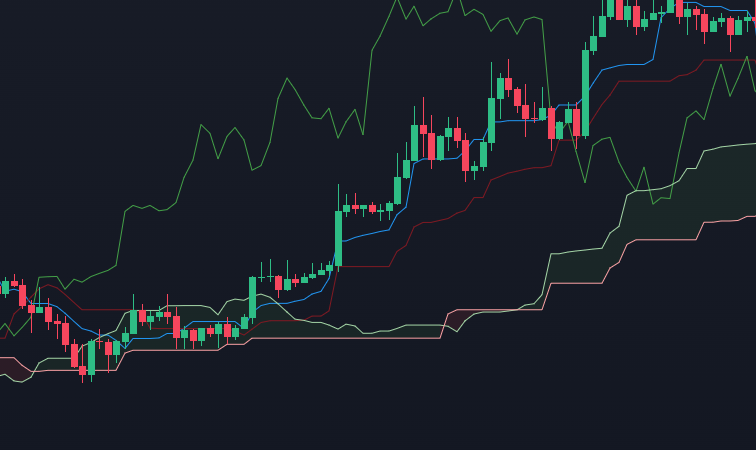
Delve into detailed explanations of the most important technical indicators used in trading. Designed for traders of all levels, our curated list will help you interpret market signals, make informed decisions, and enhance your trading skills
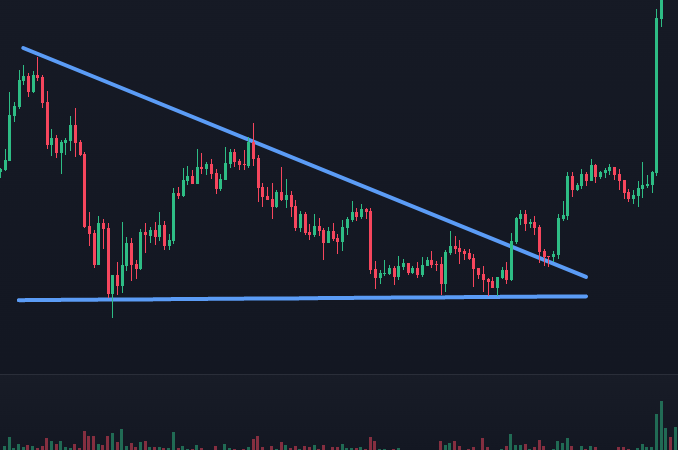
Access detailed explanations of key chart patterns used in technical analysis. Perfect for traders at any level, our extensive collection will help you recognize market trends, make informed decisions, and refine your trading strategie
Disclaimer
The information provided on this website is for educational and informational purposes only and should not be construed as financial advice. We do not guarantee the accuracy, completeness, or reliability of any information presented. Any actions taken based on the information found on this website are strictly at your own risk. Always seek the advice of a qualified financial professional before making any investment decisions. We disclaim any liability for any losses or damages incurred as a result of using this website.