Bullish
Bullish describes a positive outlook on an asset or the market, expecting prices to rise. Traders or investors who are bullish believe that a security’s value will increase.
Detailed Explanation
In trading and investing, the term bullish refers to an optimistic sentiment toward a market, sector, or specific asset. A bullish trader anticipates an upward price movement and may take long positions to profit from the increase.
Being bullish doesn’t just mean believing in growth — it also implies action based on that belief, such as buying a stock, opening a long position, or holding existing investments in anticipation of further gains.
The term originates from the way bulls attack — thrusting their horns upward — symbolizing rising prices. Bullish behavior is common in rising markets and during periods of strong economic or company performance.
Traders can be bullish over different time frames:
Short-term bullishness:
Expecting price to rise over hours or daysLong-term bullishness:
Confidence in growth over weeks, months, or years
Bullish sentiment is often reflected in chart patterns (e.g., bullish engulfing, bullish flag), technical indicators (e.g., moving average crossovers), or macroeconomic signals (e.g., strong earnings reports, favorable interest rates).
Significance for Investors
Recognizing bullish conditions helps investors and traders align their strategies with the market trend. In bullish markets, buying opportunities are more favorable, and long strategies generally perform better.
Understanding bullish sentiment also aids in risk management. For instance, during strong bull markets, pullbacks may be treated as buying opportunities rather than signs of reversal.
Being aware of bullish sentiment in different asset classes (stocks, crypto, commodities) allows investors to diversify or reallocate their capital effectively.
Examples
An investor reads that Company XYZ has released strong quarterly earnings, and the stock price has broken above a key resistance level. The investor believes the stock will continue to rise and buys 100 shares.
This outlook and action reflect a bullish stance on Company XYZ.
Comparison with Similar Terms
Bearish:
The opposite of bullish — expecting prices to decline.Trend:
A bullish trend refers to a sustained period of rising prices.

Discover a comprehensive glossary of essential trading terms that every investor should know. Explore detailed explanations of key concepts, from basic definitions to in-depth insights
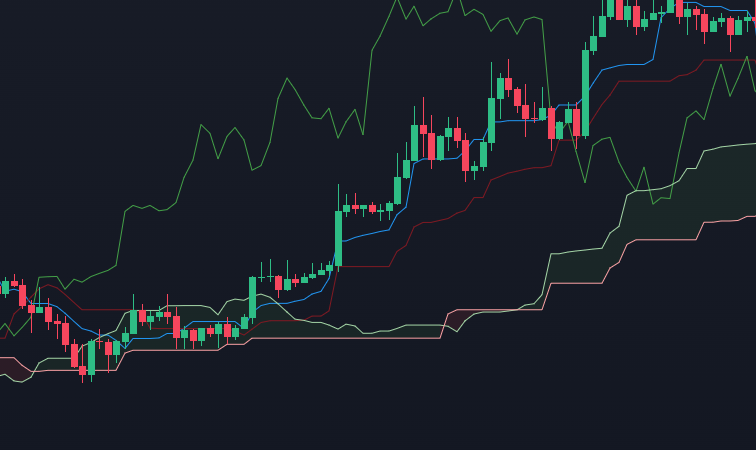
Delve into detailed explanations of the most important technical indicators used in trading. Designed for traders of all levels, our curated list will help you interpret market signals, make informed decisions, and enhance your trading skills
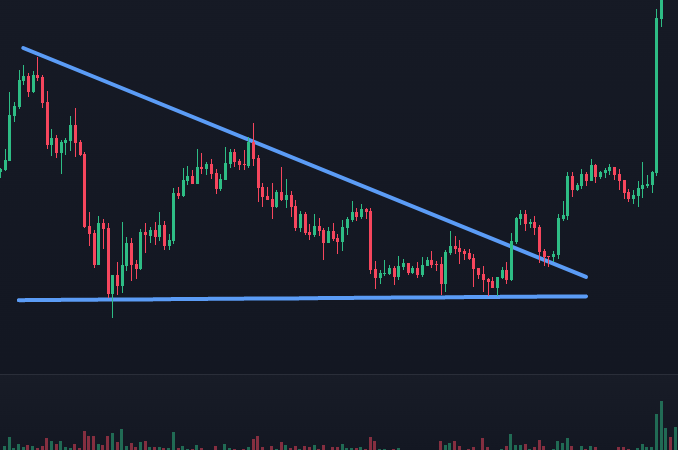
Access detailed explanations of key chart patterns used in technical analysis. Perfect for traders at any level, our extensive collection will help you recognize market trends, make informed decisions, and refine your trading strategie
Disclaimer
The information provided on this website is for educational and informational purposes only and should not be construed as financial advice. We do not guarantee the accuracy, completeness, or reliability of any information presented. Any actions taken based on the information found on this website are strictly at your own risk. Always seek the advice of a qualified financial professional before making any investment decisions. We disclaim any liability for any losses or damages incurred as a result of using this website.