Bearish
Bearish describes a negative outlook on an asset or the market, expecting prices to decline. A trader or investor who is bearish believes that the value of a security will fall.
Detailed Explanation
In trading and investing, the term bearish refers to a pessimistic view of a market, asset, or financial instrument. A bearish trader anticipates a downward price movement and often takes short positions to profit from the decline.
The word “bearish” is derived from the way bears attack — swiping their paws downward — which symbolizes falling prices. This analogy is widely used in both traditional and crypto markets to describe negative trends or sentiment.
Bearish sentiment can be applied across timeframes:
Short-term bearishness:
Expecting a price drop within hours or daysLong-term bearishness:
Anticipating prolonged declines over weeks, months, or more
Traders use technical indicators, fundamental analysis, and macroeconomic data to identify bearish setups. Common signs of a bearish market include lower highs and lower lows, negative earnings reports, economic downturns, and bearish candlestick patterns like the bearish engulfing.
In bearish environments, risk management becomes crucial, as prices can decline rapidly and trigger margin calls or significant losses.
Significance for Investors
Understanding bearish conditions allows investors to make informed decisions about protecting capital, adjusting positions, or even profiting through short-selling strategies.
Recognizing early signs of a bearish market can help avoid unnecessary losses. Investors may shift funds into safer assets (like bonds or cash), use stop-loss orders more aggressively, or hedge their portfolios.
Being bearish doesn’t necessarily mean exiting the market — it can also mean being cautious or adapting one’s strategy to match prevailing conditions.
Examples
A trader observes that the price of Company ABC has consistently fallen for three weeks, breaking key support levels and showing weak volume on bounces.
Believing that the downtrend will continue, the trader opens a short position. This reflects a bearish outlook on the stock.
Comparison with Similar Terms
Bullish:
The opposite of bearish — expecting prices to riseTrend:
A bearish trend indicates consistent downward price movement

Discover a comprehensive glossary of essential trading terms that every investor should know. Explore detailed explanations of key concepts, from basic definitions to in-depth insights
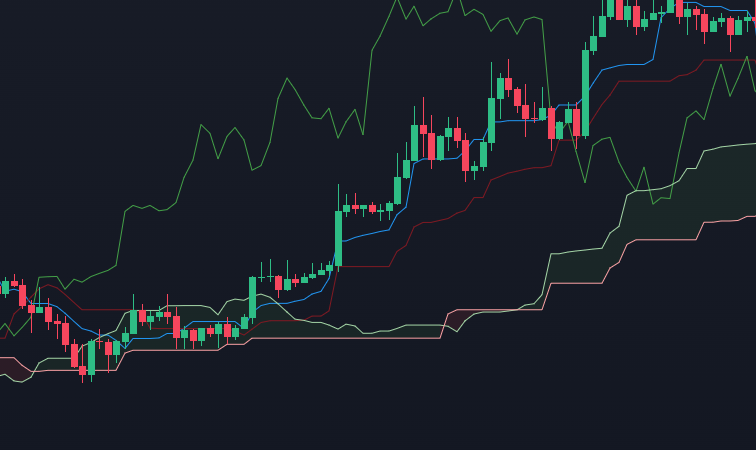
Delve into detailed explanations of the most important technical indicators used in trading. Designed for traders of all levels, our curated list will help you interpret market signals, make informed decisions, and enhance your trading skills
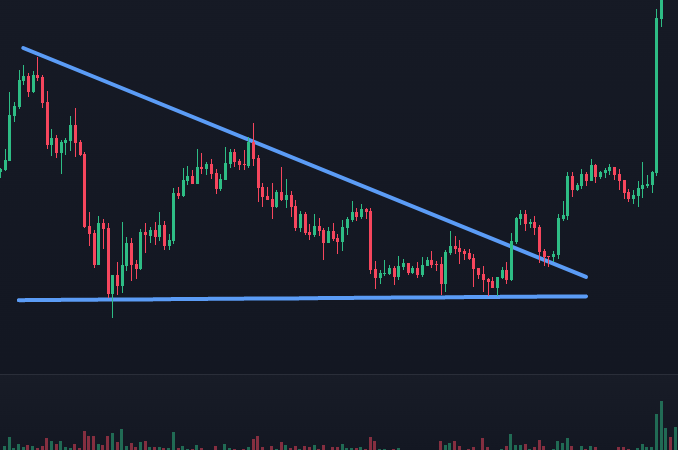
Access detailed explanations of key chart patterns used in technical analysis. Perfect for traders at any level, our extensive collection will help you recognize market trends, make informed decisions, and refine your trading strategie
Disclaimer
The information provided on this website is for educational and informational purposes only and should not be construed as financial advice. We do not guarantee the accuracy, completeness, or reliability of any information presented. Any actions taken based on the information found on this website are strictly at your own risk. Always seek the advice of a qualified financial professional before making any investment decisions. We disclaim any liability for any losses or damages incurred as a result of using this website.