Downtrend
A downtrend is a market condition where the price of an asset consistently moves lower over time, forming a series of lower highs and lower lows.
Detailed Explanation
A downtrend occurs when the price of a financial asset follows a sustained pattern of decline. In technical analysis, this is visually represented by a series of lower highs and lower lows, signaling that selling pressure is stronger than buying interest.
Downtrends can be observed across different timeframes:
Short-term downtrend:
Lasts for minutes to a few daysMedium-term downtrend:
Extends over days to weeksLong-term downtrend:
Persists for several weeks, months, or even longer
Traders identify downtrends using tools like downward-sloping trendlines, moving averages, and indicators such as the Relative Strength Index (RSI) or MACD. A break below key support levels or consistently falling volume on rebounds may also confirm a downtrend.
Downtrends are commonly associated with bearish sentiment, where market participants expect continued price declines due to negative news, poor earnings, weak economic indicators, or technical breakdowns.
It’s important to note that downtrends often experience temporary price increases, known as retracements, but the overall direction remains downward until a reversal is confirmed.
Significance for Investors
Recognizing a downtrend is crucial for managing risk and preserving capital. Investors might avoid entering long positions during a confirmed downtrend or consider exiting existing holdings to limit losses.
Some traders take advantage of downtrends through short-selling, aiming to profit from falling prices. Others may use downtrends as signals to hedge their portfolios or shift into safer assets like cash or bonds.
Understanding downtrends also helps investors wait for a confirmed reversal before re-entering the market, avoiding premature trades against the prevailing momentum.
Examples
Company ABC releases disappointing quarterly results, and its stock price begins to fall steadily over the next month. Each rally fails to reach the previous high, and each decline breaks the last low. A trader confirms the pattern with a downward trendline. This consistent downward movement defines a downtrend.
Comparison with Similar Terms
Uptrend:
The opposite of a downtrend; characterized by rising prices and higher highsBearish:
Describes the negative market sentiment often present during a downtrend

Discover a comprehensive glossary of essential trading terms that every investor should know. Explore detailed explanations of key concepts, from basic definitions to in-depth insights
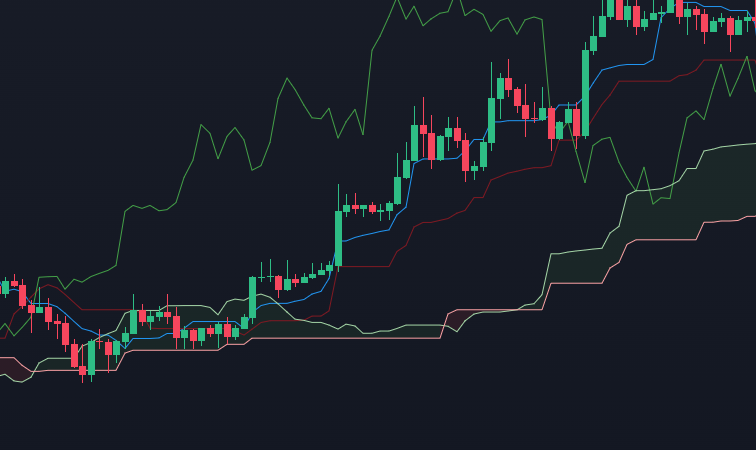
Delve into detailed explanations of the most important technical indicators used in trading. Designed for traders of all levels, our curated list will help you interpret market signals, make informed decisions, and enhance your trading skills
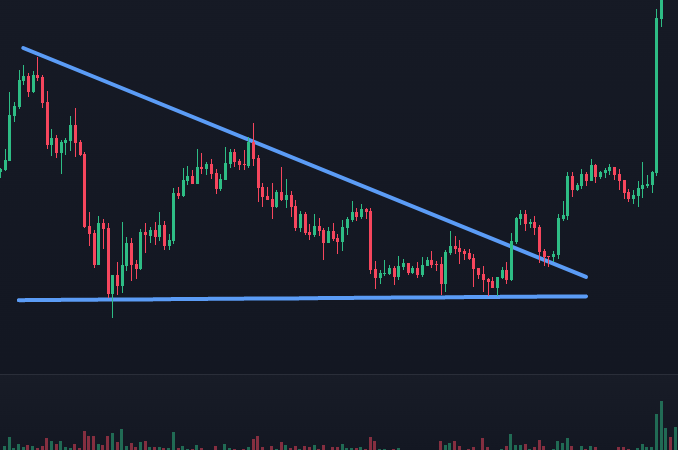
Access detailed explanations of key chart patterns used in technical analysis. Perfect for traders at any level, our extensive collection will help you recognize market trends, make informed decisions, and refine your trading strategie
Disclaimer
The information provided on this website is for educational and informational purposes only and should not be construed as financial advice. We do not guarantee the accuracy, completeness, or reliability of any information presented. Any actions taken based on the information found on this website are strictly at your own risk. Always seek the advice of a qualified financial professional before making any investment decisions. We disclaim any liability for any losses or damages incurred as a result of using this website.